Agriculture

How To Choose The Right Agriculture Pump?
Agriculture, blog list, Checklist, General Guidence, Pumps

How To Choose The Right Agriculture Pump?

As one of the most under-rated utilities of all time, the modern-day water pump plays a pivotal role in meeting the requirements of your irrigation needs. Selecting the right irrigation pump for agricultural land will not only result in better crop yield but also help save money and power.Choosing a poor pump, in turn, results in increased power consumption, poor yield, and poor water supply to the crops. So, here are a few pointers to consider before selecting a pump that is worth investing in. Before the Pump Selection, let us start with the basics: Measurement of the land parcel. Crop’s intensity of water intake. Frequency of water flow. Source of water-open well, borewell, pond, drain from the river. Distance between the source of water and the land. The Ph level of water. So, now that you have done the first exercise, let us understand the different types of pumps for agriculture and irrigation that are available in the market. Borewell Submersible Pumps These pumps are usually underwater, completely sealed with heavy motors to draw water from large depths and they are largely used for irrigation. These pumps are defined in stages if the water is to be drawn from the borewells. (Watch the case study of CRI pumps drawing water from over 2000 feet with its 113 stage submersible pumps). Borewell Submersible pumps are thin and tall to fit inside the Borewell. The size of the pumps is measured in mm, depending on the size of your bore. Open well submersible pump These pumps are again widely used for agriculture and irrigation, but these pumps are used in open wells. These pumps vary from 1 HP to 10 HP in general and are used to draw water for irrigation. Openwell submersible pumps come in vertical and horizontal format. Centrifugal monoblock pumps These pumps are again widely used for agriculture and irrigation, but these pumps are used in open wells. These pumps vary from 1 HP to 10 HP in general and are used to draw water for irrigation. Open well submersible pumps come in vertical and horizontal format. If you require pumps to run for a long duration in a day, these pumps are powered by an enclosed fan-cooled motor. Due to this, the heat resistance will be reduced and the water can be pumped for a long duration. Solar pump Operated with solar energy, these pumps can operate with the lowest power consumption. For solar pumps, though the initial cost may seem high, most governments offer a significant subsidy to promote green energy. Well, which one to choose now? The location of the water from where it is drawn plays a crucial role in determining the type of pump. For example, turbine pumps and deep-well submersible pumps are ideally used to draw water from underground like wells, borewells, etc. While there are different types of pumps to help draw water from the surface level. The pump you purchase must fit perfectly with the rest of the irrigation system. All the specifications listed above must match to maximize cost and energy savings. Choose a pump that helps reduce operational cost, by considering the water pressure and the flow. The right pump helps draw water at the right accuracy and at the right time to help yield better crops, better harvest, and thereby leading to better profitability. Meanwhile selecting the right pump will ensure better water management, thereby making agriculture a sustainable practice. Asking the right questions: 1. Is the pump durable? 2. Can this pump run for a long time in a day? 3. Determine the quality of the pump? a. Installation of these pumps is expensive. So if there are any repairs in the pumps, imagine going through the whole process once again, bringing a jack, lifting the pumps outside the waterbody, carrying them to a mechanic shop, repairing the pumps, and shipping back and reinstallation. Not just the physical pain, but during the peak irrigation times, these could cause severe challenges in the irrigation itself, when your plants will dry of no water. b. The quality of the pumps plays a major role. Here when we say quality, understand where all the pumps may go wrong usually. Coil windings: If the pumps get heated up, the coil may burn (Tip: ask if the coil has a protecting guard) Mud filter: Do the pumps have mud filters and can avoid the clog. (Tip: Only a few specific companies have mud filters.) Rust formation: What the pump& outer layer coating? (Tip: check for 304 steel or fabricated SS or the outer coating has anti-corrosion treatment done. Also, check for the casting grade) Co-efficient of friction: Okay, in simple words when the sand falls into the motor, what happens and how to avoid it. This increases the heat and for the failure. (Tip: ask for carbon bush based water pumps) Coupling portion: Check for the protection and damage history of the brand in the coupling portion. For higher stage pumps the coupling portions have challenges. (Tip: Check for shaft drive-in with 100% SS drive) Impellers: The fans in common slang. The blades and veins in the impellers need to be in perfect alignment to increase the outcome. (Tip: Check if the impellers are laser welded) 4. What is the warranty offered and after-sales service? Usually, companies offer 12 months warranty, but in special cases, you may get more. Before landing on an irrigation pump, choose a pump company that is reliable and highly reputable. Though the branded pumps are a little expensive compared to the local pumps, you can expect the quality to be much better compared to the local players. Imagine the situation of repairing the pump, which shall cost around 25% of the cost of the pump itself, leaving aside the hardships and mental agony of fixing and the loss of the irrigation season. A durable pump with a technology up-step along with a service backup, will help your irrigation season and empower your agriculture needs. So think smart

Agriculture Pumps for Farming
Agriculture, blog list, General Guidence, Guides, Pumps

Agriculture Pumps for Farming

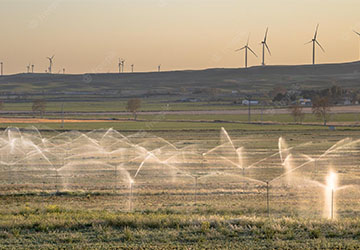
The backbone of India’s economy is agriculture, and water pumps are vital to its sustainability. As agriculture fields are located in places where weather conditions can change drastically, it is essential to have a reliable water pump to improve the yield. Agriculture pumps used in farming are high-pressure pumps that help transfer water from one source ( underground or surface) to the fields. These pumps are designed to draw water from about any depth.   Agricultural pumps are used to irrigate land with the help of sprinklers, by flooding, or through micro-irrigation. Water is drawn with the help of borewell pumps or open wells or monoblock pumps. Agricultural pumps make the distribution of water more convenient.   Agricultural Pumps for Farming Applications Water pumps are a necessity for the following agricultural application: Irrigation for crops Cleaning sludge or sediment from small bodies of water Dewatering of crops Livestock management, including drinking water and handling livestock waste Three Main Types of Irrigation The suitability of surface, sprinkler or drip irrigation method, depends mainly on the following factors: Natural conditions Crop type Availability of labour 1. Surface irrigation A surface irrigation system applies water to the surface of a field by gravity flow. Surface irrigation can be applied to all types of crops, either by flooding the whole field (basin irrigation) or by channeling the water through narrow channels (furrows). 2. Sprinkler irrigation A sprinkler irrigation system is similar to natural rainfall. Sprinkler irrigation involves pumping water through pipes and spraying it onto crops through rotating sprinkler heads. Because sprinklers and drip irrigation are expensive per hectare, they are generally used for high-value crops like vegetables and fruits. 3. Drip Irrigation Water is conveyed under pressure through a pipe system to the fields, where emitters or drippers close to the plants drip the water slowly onto the soil. Common Water Pump Types for Agricultural Irrigation Systems   Centrifugal Water Pumps Centrifugal water pump is most commonly used for agriculture to pump water from lakes, reservoirs, and shallow wells. In irrigation pipelines, water can move through the entire system at the desired speed and pressure. Some of the benefits of centrifugal pumps include Affordability: Due to their relatively low costs, centrifugal pumps are affordable for small and marginal farmers Flexibility: Centrifugal pumps offer wide voltage band. They are useful in places wherein the freshwater and fluids are not chemically aggressive to pump components. Versatility: Wide working range in size and capacity Robust: Centrifugal pumps have simple construction, however, they are powerful devices. Easy to Use: Easy in operation, maintenance, and repair Borewell Submersible Water Pumps Installing borewell submersible pumps in agricultural lands is recommended to maintain a continuous water supply. Submersible pumps remain completely buried in groundwater and are airtightly insulated. Using a hermetically-sealed motor, a submersible water pump pumps out liquid from which it is fully submerged. A submersible water pump is known for its ability to prevent cavitation issues. The hydraulic and electrical design of the submersible pump makes it extremely efficient. Submersible pumps are designed to operate well through a large voltage range. Openwell Submersible Pump Open-well submersible pumps are used for irrigation, transferring water from canals, and wells to farms, or to storage tanks on farms. The pump can also be submerged in water and has an air-tight seal around it. These pumps function effectively in a high-voltage range and are a safer and more durable option. Both horizontal and vertical options are available. Reservoir, storage tank size, pipe diameter, and material used in pumps are a few factors that are required to be considered before investing in an open well submersible pump Solar Pumps A solar water pump uses photovoltaic technology that converts solar energy into electricity to run the pumping system. It is an eco-friendly choice for agriculture and replaces erratic grid supply and pollution-causing diesel-powered versions. Powered by solar modules, the solar water pump helps draw water out of the ground or surface Guide to Choose Agriculture Pump Right Irrigation Equipment Water source Pressure and flow requirement Distance between the farm and the source of water Size of the pump size To Conclude : CRI pumps are one of the largest suppliers of agriculture pumps in India. A range of water pumps for Indian Agriculture and irrigation needs are available. CRI pumps understand the sustainable water management needs of farming. We have built and customized pumps for all your agriculture needs, whether it’s irrigation, drainage, manure slurry, or crop harvesting. For assistance in selecting the right water pump for your agricultural irrigation system, you can contact our pump specialist for more information. Frequently Asked Questions Which method of irrigation is best and why? The suitability of the irrigation method depends upon natural rainfall conditions, crop type, availability of labor, and other costs. Which type of pump is used in agriculture? Common pumps used in agriculture are centrifugal pumps and borewell submersible pumps. However, in recent times, solar pumps have also gained traction. How to find the right pump size? A right-size pump will provide adequate motor protection. If there are unwanted stages, the pump might not be energy efficient. A good pump should provide variable options for speed control. How to calculate the efficiency of pump? Efficiency % = Q x H / 3.67 X P1 Where Q = flow in m3/h H = head (pressure from the pump) P1 = the kW required.

Solar Water Pumps For Agriculture
Agriculture, blog list, General Guidence, Guides, Listicles, Solar

Solar Water Pumps For Agriculture

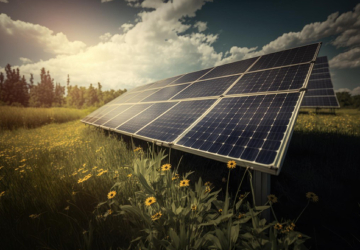
India is endowed with vast solar energy potential. The National Institute of Solar Energy has assessed the Country’s solar potential of about 748 GW assuming 3% of the wasteland area to be covered by Solar PV modules. Solar power installed capacity reached around 72.02 GW on 30th October 2023. Solar water pumps are becoming an increasingly popular option in the agricultural industry and for a good reason. This article will discuss the advantages of using solar water pumps for irrigation, the types of solar water pumps, the PM-KUSUM Scheme, and the salient features of C.R.I. solar pumping solutions. What is a Solar Water Pump? A solar water pump is a type of pump that runs on solar energy. It consists of solar panels that convert sunlight into electricity, which is then used to power the pump. Solar water pumps are an eco-friendly and cost-effective alternative to traditional diesel or electric pumps which are contributing to the rise of CO2. They are easy to set up, require minimal maintenance, and have a long lifespan. Solar water pumps can be used for various applications, including irrigation, livestock watering, and drinking water supply. Advantages of Using Solar Water Pumps for Irrigation One of the main advantages of using solar water pumps for irrigation is that they are cost-effective. Traditional diesel or electric pumps require fuel or electricity, which can be expensive, especially for small-scale farmers. Solar water pumps, on the other hand, use solar energy, which is free and abundant. Solar water pumps also have a long lifespan and require minimal maintenance, which further reduces their long-term operational and maintenance costs. Another advantage of using solar water pumps is that they are eco-friendly. They do not emit harmful pollutants, making them an ideal option for environmentally conscious farmers. Types of Solar Water Pumps and Their Applications There are two main types of solar water pumps: submersible pumps and surface pumps and are available in both AC / DC models. Submersible pumps are used to pump water from wells or boreholes, while surface pumps are used to pump water from lakes, rivers, or other surface water sources. Submersible pumps are more efficient and can operate at higher heads and lower discharge of water compared to Surface Pumps. However, they are also more expensive and require a well or borehole to be installed. Surface pumps, on the other hand, are cheaper and easier to install but have a lower operating head with a higher discharge of water. PM-KUSUM Scheme (Pradhan Mantri Kisan Urja Suraksha evam Utthaan Mahabhiyan) This scheme is aimed at ensuring energy security for farmers in India, along with honoring India’s commitment to increase the share of installed capacity of electric power from non-fossil-fuel sources to 40% by 2030 as part of Intended Nationally Determined Contributions (INDCs). The Scheme consists of three components: Component A:Under this component, solar or other renewable energy-based power plants of capacity 500 kW to 2 MW can be installed on barren or uncultivable agricultural land. Agriculture land is also permitted under this scheme provided that solar plants are installed in slit fashion (i.e. raised structure for installation of solar panels) and with adequate spacing between panel rows for ensuring that farming activity is not affected. Component B: Under this Component, farmers can replace their existing diesel-powered agriculture pumps with standalone solar pumps of capacity up to 7.5 HP in off-grid areas. Pumps of capacity higher than 7.5 HP may be allowed, however, the central subsidy will be limited to the subsidy applicable for the pump of 7.5 HP Component C:Under this Component, farmers can solarize their existing grid-connected agriculture pumps of capacity up to 7.5 HP. Solar PV capacity up to two times of pump capacity in kW is allowed under the scheme. However, States may choose to allow lower solar PV capacity, which in no case will be less than the pump capacity in HP. The farmer will be able to use the generated solar power to meet the irrigation needs and the excess solar power will be sold to DISCOMs. Who is eligible for the PM-KUSUM Scheme? Component A: Individual farmers/ group of farmers/ cooperatives/panchayat/ Farmer Producer Organization (FPO)/Water User associations (WUA). The land on which the project is proposed to be installed should be within 5 km of the nearest electricity substation. Component B: Individual farmers, Water User Associations, and community/cluster-based irrigation systems will be covered under this component. Component C: Individual farmers, water user associations, and community/cluster-based irrigation systems will also be covered under this component. Benefits of Solar Water Pumps in Agriculture The benefits of using solar water pumps in agriculture are numerous. Reduce the cost of irrigation, which can be a significant expense for farmers. Provide a reliable source of water, which is essential for crop growth. Eco-friendly and does not contribute to global warming. Easy to set up and require minimal maintenance, making them a hassle-free option for farmers. C.R.I. Solar Water Pumping Systems C.R.I. Pumps, a renowned leader in solar pumping solutions, has successfully obtained empanelment in the Ministry of New & Renewable Energy (MNRE)’s prestigious PM KUSUM – 3 program on a nationwide scale for solar pumping systems under component B. This accomplishment solidifies C.R.I. Pumps’ position as a key player in the renewable energy sector highlights their expertise in providing efficient and sustainable solutions for water pumping needs. With the inclusion in the PM-KUSUM – 3 program on a nationwide basis, C.R.I. Pumps are poised to contribute significantly towards the nation’s renewable energy goals and further strengthen its reputation as a reliable and innovative provider of solar pumping solutions. In addition to this remarkable achievement, C.R.I. Pumps has successfully installed over 14,500 solar pumping systems,52,000 solar pumps, and 20,000 solar pump controllers across the globe through various government schemes such as NABARD, State Nodal Agencies (SNA), PM-KUSUM 1 and 2, as well as private installations. The exceptional technical and financial capabilities of C.R.I. Pumps have been duly recognized by Credit Analysis and Research Ltd. (CARE), who have awarded them the highest

How Perovskites Could Transform Solar Power?
Agriculture, blog list, General Guidence, Guides, Solar

How Perovskites Could Transform Solar Power?

How Perovskites could transform Solar Power Solar energy has long been hailed as a potential solution to our growing energy needs and the threat of climate change. Traditional silicon solar cells have been the primary technology used to harness this energy, but they have limitations. However, recent advancements in perovskite solar cells have shown great promise and could potentially transform how we generate solar power. Perovskites are a class of materials that have a unique crystal structure, which makes them highly efficient at converting sunlight into electricity. Unlike silicon solar cells, which require a complex manufacturing process, perovskite cells can be made using simple and inexpensive techniques. This makes them more cost-effective and scalable, opening up new possibilities for the widespread adoption of solar energy. One of the key advantages of perovskites is their high power conversion efficiency. In recent years, researchers have achieved conversion efficiencies of over 25% with perovskite solar cells, approaching the efficiency of silicon cells. This means that perovskites can generate more electricity from the same amount of sunlight, making them a more viable option for large-scale solar power generation. In addition to their efficiency, perovskites also offer other advantages over silicon solar cells. They can be made flexible and lightweight, allowing for easy integration into various applications such as building materials or wearable devices. This flexibility opens up new possibilities for solar energy generation in unconventional settings. Furthermore, perovskites have the potential for improved stability and durability compared to silicon cells. Silicon cells can degrade over time due to exposure to harsh environmental conditions, while perovskites have shown better resistance to moisture and temperature variations. This means that perovskite solar panels may have a longer lifespan and require less maintenance, reducing overall costs. In conclusion, perovskite solar cells have the potential to transform solar power generation by offering higher efficiency, flexibility, and durability compared to traditional silicon cells. With ongoing research and development efforts, perovskites may soon become mainstream and revolutionize the way we harness solar energy and contribute to a more sustainable future.

Solar Pump Market in India : Opportunities, Challenges and Future Outlook
Agriculture, blog list, General Guidence, Guides, Solar

Solar Pump Market in India : Opportunities, Challenges and Future Outlook

According to the Mordor Intelligence report, the Indian Solar Water Pump Systems Market is projected to register a CAGR of 15% during the forecast period (2024-2029) Solar water pumping systems are versatile and cater to diverse needs, from agricultural irrigation to providing clean water for communities and livestock. Their efficiency, ease of installation, and environmental benefits make them a valuable solution in areas with abundant sunlight. The solar water pump market is segmented based on pump types (Submersible and Surface Pumps), Motor types (AC and DC Motors), Geography, Application (Agriculture, Domestic, Livestock Management, Community Water Supply, etc.), and Power ratings (< 5 HP, 5 to 10 HP, 10 to 20 Hp and above). The Indian solar water pump market is fragmented. Some of the key players in the market include C.R.I. Pumps, Shakti Pumps, Lubi Electronics, Falcon Pumps, Tata Power Solar, etc., Major Advantages of Solar Water Pumps Solar water pumps offer several advantages, making them a sustainable choice for various applications: Energy Efficiency: Solar water pumps operate using renewable energy from the sun, eliminating the need for grid electricity or fossil fuels. They are highly energy-efficient, converting sunlight directly into power for pumping water. Cost Savings: Lower Operational Costs: Once installed, solar pumps have minimal operating costs. There’s no need to pay for electricity or fuel. Long-Term Investment: Although the initial setup cost may be higher, solar pumps provide long-term savings due to reduced operational expenses. Environmentally Friendly: Solar water pumps are eco-friendly as they produce no greenhouse gas emissions during operation. They contribute to carbon footprint reduction and help combat climate change. Reliable and Low Maintenance: Solar pumps have fewer moving parts, resulting in reliable performance and reduced maintenance needs. Regular cleaning of solar panels ensures optimal efficiency. Scalability and Flexibility: Solar water pumps come in various sizes and capacities, suitable for small-scale irrigation to large agricultural projects. They can be installed in remote or off-grid areas, providing water access where traditional power sources are unavailable. Reduced Dependence on Fossil Fuels: By using solar energy, we reduce reliance on fossil fuels, contributing to a sustainable future. In summary, solar water pumps offer a compelling combination of environmental benefits, cost-effectiveness, and reliability. Challenges Implementing solar water pumps in India comes with a few challenges: Initial Investment Cost: While solar water pumps offer long-term cost savings, the initial setup cost can be a barrier for small-scale farmers. Many farmers face financial constraints and may find it challenging to invest in solar infrastructure upfront. Maintenance and Repairs: Although solar pumps have fewer moving parts, they still require regular maintenance. Ensuring proper cleaning of solar panels and addressing any technical issues promptly is essential. Lack of awareness or access to maintenance services can be a challenge. Land Availability and Space Constraints: Solar panels need adequate space for installation. In densely populated areas or where land is scarce, finding suitable locations can be difficult. Balancing agricultural land use with solar panel placement is a challenge, especially for large-scale installations. Water Availability and Seasonal Variability: Solar pumps rely on sunlight to operate. During cloudy days or at night, water pumping may be limited. Ensuring water availability aligns with solar power generation is crucial for consistent irrigation.. Battery Storage and Backup: Solar pumps often use battery storage to provide water during non-sunny hours. Ensuring reliable battery backup systems and managing battery life are critical challenges. Perception and Trust: Some farmers may be skeptical about new technologies or may lack trust in solar systems. Building confidence through successful case studies and demonstrations is vital. Geographical Variability: India’s diverse geography presents challenges related to sunlight intensity, temperature, and terrain. Customizing solar pump solutions based on regional conditions is crucial. In summary, addressing these challenges through supportive policies, education, and innovative solutions will contribute to the successful implementation of solar water pumps in India. Choosing the right Solar Pump Manufacturer Selecting the right solar water pump manufacturer is crucial for ensuring reliable performance and long-term benefits. Here are some essential factors to consider when making your choice: Experience and Reputation: Look for manufacturers with a solid track record in the industry. Consider their experience, reputation, and how long they have been operating. Quality and Reliability: Assess the quality of the manufacturer’s products. High-quality materials and robust design are essential for durability and efficient performance. Customer Service and Technical Support: A responsive and helpful customer service team is crucial. Pricing and Warranty Policies: Compare pricing among different manufacturers. While affordability is essential, prioritize quality over the lowest price. Size and Capacity: Choose a manufacturer that offers a range of pump sizes and capacities. C.R.I. Pumps a renowned leader in solar pumping solutions, has successfully obtained empanelment in the Ministry of New & Renewable Energy (MNRE)’s prestigious PM KUSUM – 3 program on a nationwide scale for solar pumping systems under component B. Consequently, the company has been awarded a substantial work order worth Rs. 300 Crore from the states of Haryana, Uttar Pradesh, Maharashtra, and Rajasthan. This accomplishment solidifies C.R.I. Pump’s position as a key player in the renewable energy sector highlights its expertise in providing efficient and sustainable solutions for water pumping needs. With their inclusion in this program, C.R.I. Pumps is poised to contribute significantly towards the nation’s renewable energy goals and further strengthen its reputation as a reliable and innovative provider of solar pumping solutions. In addition to this remarkable achievement, C.R.I. Pumps has successfully installed over 14,500 solar pumping systems,52,000 solar pumps, and 20,000 solar pump controllers across the globe through various government schemes such as NABARD, State Nodal Agencies (SNA), PM-KUSUM 1 and 2, as well as private installations. The exceptional technical and financial capabilities of C.R.I. Pumps have been duly recognized by Credit Analysis and Research Ltd. (CARE), who have awarded them the highest grade of SP-1A for Solar Projects. This accreditation further solidifies their position as a trusted provider of solar solutions. Remember that selecting the right solar water pump manufacturer directly impacts the efficiency, reliability, and longevity of your system. Remarkable Developments and Initiatives in


Agriculture, Domestic

High Density Polyethylene

HDPE Pipes – High Density Polyethylene You might also like uPVC Plumbing Pipes & Fittings CPVC Plumbing Pipes & Fittings uPVC SWR Pipes & Fittings How can we support you? Locate a dealer Spare & Services Pump Selector Locate a Service Center Pump Gallery

Agriculture, Domestic

Centrifugal Monoblock Pumps

CENTRIFUGAL MONOBLOCK PUMPS ACM Series VIRAT Series JUMBO Series ACM Series Know more Enquire now The CRI ACM Series of Centrifugal Monoblock Pump Sets is designed to maximize efficiency with its eco-friendly, fan-cooled AC induction motors. These pumps are constructed using high-quality materials such as enamelled copper wire and low-watt loss silicon steel laminations, ensuring durability and delivering smooth hydraulic performance. This innovative design not only improves operational efficiency but also provides long-lasting reliability for a wide range of applications. Applications Agricultural & Irrigation Sprinkler system Domestic water supply Pressure boosting Industrial and Mining Key Features High operational efficiency Good suction lift characteristics In-built with thermal overload protector Designed for wide voltage applications Dynamically balanced rotating parts view more All you need to know about – Centrifugal MonoBlock Pumps ( ACM Series ) Specifications Power Range 0.37kW – 2.2kW (0.5HP – 3HP) Speed 2880 RPM Version 1Ph – 220 – 240V; 3Ph – 380 – 415V, 50Hz AC Supply Maximum Total Head 60 metres Maximum Flow Rate 18 lps (64.8 m³/h) Maximum Suction Lift 7 metre Degree of Protection IP 44 / IP 54 Class of Insulation B Maximum Ambient Temperature 40°C Sealing Mechanical seal Type of Duty S1 (Continuous) Method of Starting Permanent Split Capacitor (PSC) Direction of Rotation 1Ph – Clockwise from driving end; 3Ph – Electrically reversible Nominal Pumpset Size (Suction x Delivery) 25×25, 32×25, 40×32, 40×40, 50×40, 50×50, 60×50, 80×65, 80×80, 100×80 & 100×100 mm Material Of Construction – Pump Component Material Rear Cover / Bracket Cast iron Motor Frame Cast iron / aluminium Shaft SS 410 Impeller Cast Iron / SS 304 / Noryl Pump Casing Cast iron Mechanical Seal Carbon & Ceramic view more VIRAT Series Know more Enquire now The CRI VIRAT Series of Centrifugal Monoblock Pump Sets is designed to maximize efficiency with its eco-friendly, fan-cooled AC induction motors. These pumps are constructed using high-quality materials such as enamelled copper wire and low-watt loss silicon steel laminations, ensuring durability and delivering smooth hydraulic performance. This innovative design not only improves operational efficiency but also provides long-lasting reliability for a wide range of applications. Applications Agricultural & Irrigation Sprinkler system Domestic water supply Pressure boosting Industrial and Mining Key Features High operational efficiency Good suction lift characteristics In-built with thermal overload protector Designed for wide voltage applications Dynamically balanced rotating parts view more All you need to know about – Centrifugal MonoBlock Pumps (VIRAT Series) Specifications Power Range 0.37kW – 1.5kW (0.5HP – 2HP) Speed 2880 RPM Version 1Ph – 220 – 240V; 3Ph – 380 – 415V, 50Hz AC Supply Maximum Total Head 34 metres Maximum Flow Rate 9 lps (32.4 m³/h) Maximum Suction Lift 7 metres Degree of Protection IP 44 / IP 54 Class of Insulation B Maximum Ambient Temperature 40°C Sealing Mechanical seal Type of Duty S1 (Continuous) Method of Starting Permanent Split Capacitor (PSC) Direction of Rotation 1Ph – Clockwise from driving end; 3Ph – Electrically reversible Nominal Pumpset Size (Suction x Delivery) 25×25, 32×25, 40×32, 40×40, 50×40, 50×50, 60×50, 80×65, 80×80, 100×80 & 100×100 mm Material Of Construction – Pump Component Material Pump Casing Cast Iron Impeller Cast Iron & Noryl Front Bracket Cast Iron Motor Frame Cast Iron & Aluminium Back Cover Cast Iron & Aluminium Mechanical Seal Carbon & Ceramic Cooling Fan Polypropylene Cooling Fan Cover Mild Steel view more JUMBO Series Know more Enquire now CRI’s Jumbo Series Centrifugal Monoblock Pumpsets, with their efficient fan-cooled AC induction motors, are crafted for enduring and energy-efficient operation. Featuring advanced materials and designed for optimal performance and low energy use, these pumps ensure longevity and consistent functionality, suitable for a variety of applications. Applications Agricultural & Irrigation Sprinkler system Domestic water supply Pressure boosting Industrial and Mining Key Features Robust construction Longer pump life Special care Special rubber seal Best hydraulic efficiency Good suction lift characteristics Special voltage design available view more All you need to know about – Centrifugal MonoBlock Pumps ( JUMBO Series ) Specifications Power Range 2.2 kW – 15 kW (3 HP – 20 HP) Voltage Range Three-Phase, 350/380/415V, 50Hz, AC Supply Maximum Total Head 94 metres Maximum Flow Rate 33 lps (118.8 m3/hr) Material Of Construction – Pump Component Material Motor Frame Cast Iron Front / Back Cover Cast Iron Rotor Shaft Mild Steel with SS 410 sleeve Pump Casting Cast Iron Impeller Cast Iron / Leaded Bronze Sealing Graphite coated asbestos view more You might also like 150mm Submersible 100mm Borewell Submersible 125 MM Submersible How can we support you? Locate a dealer Spare & Services Pump Selector Locate a Service Center Pump Gallery

Scroll to Top

Enquire now