Industry – Food & Beverages
Filter by Category By Industry By Industry Food & Beverages By Product By Product ECW Series SCW Series Vds Series VT Series Waste-water pumps





Filter by Category By Industry By Industry Food & Beverages By Product By Product ECW Series SCW Series Vds Series VT Series Waste-water pumps
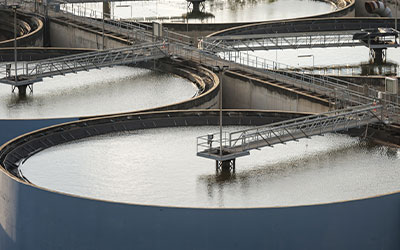
Role of pumps in Wastewater Management Waste Water Management has become increasingly important with the drastic climate changes and widespread droughts of today. Essentially, wastewater pumps are a type of submersible pump designed to handle wastewater, effluent, and sewage with solids. They can also be implemented for pumping at purification plants, pumping from septic tanks, rainwater pits along roads and construction sites and for pumping grey wastewater in locations such as residences, farms, commercial buildings, and industrial areas. To treat waste water, submersible sewage pumps and dewatering pumps are used depending upon the water source that requires to be pumped. In this article, let us understand the working principles, application of submersible sewage pumps and how they differ from drainage pumps. Water Source and Pump Application We know there are many types of water in commercial and institutional buildings and the kind of pumps required to handle depends upon the water source. Blackwater contains fecal matter and bacteria that are harmful. This water is usually flushed from toilets and may contain solids.Submersible sewage pumps are used for such applications.Greywater in buildings is generally wastewater from sinks and showers that does not contain fecal matter It contains much smaller solids if any at all. Stormwater or Rainwater runoff is the water that is not absorbed into the soil. Dewatering pumps can be used to eliminate water in such cases. What are sewage pumps? Sewage pumps are a type of water pump designed with a solids handling capability. They are non-clog pumps. They use a variety of impellers to reduce clogging. Sewage pumps are used for pumping sewage and effluents from residential and commercial buildings. They are widely used in pumping wastewater or water containing suspended material. How does sewage pump work? The sewage from most residential applications is pumped from a sewage basin to a sewer system or septic tank, which can contain soft solids up to 2 inches in diameter. Centrifugal pumps used in sewage systems have a unique design that allows solids to pass through without clogging. Because they are usually submersible and situated in the lowest part of the sewage basin, they are also called submersible sewage pumps. When the pump is turned on, the motor starts rotating the impeller, creating a pressure that pushes water into the impeller and into the discharge pipe. The sewage pump is generally powered by a 10-to-25-foot electric cord. The pump housing, which houses the motor and impeller, is made of corrosion resistant material and is designed for long-term use. Difference between sewage pumps and drainage pumps The purpose of sewers is to carry solid waste as well, while drainage is to remove excess water. Drainage can be open to air, but sewage can’t be open to air since harmful gases come out of sewers. What separates sewage pumps from drainage pumps is their ability to handle larger solids. The selection of a pump necessitates looking at the particle size that the pump can handle. If effluents from a septic tank need to be pumped, then a pump that can handle larger particle sizes would be better. Another important criterion is the total head that the pump can handle. As the head increases, the flow lessens. Frequently Asked Questions What pumps are used in sewage? Centrifugal pumps are most commonly used for pumping sewage, because these pumps can be submerged in the fluid and can handle solid matters. What is the difference between a sump pump and a sewage pump? Sump pumps are essential in many houses or buildings where flooding or water excess is a common problem. Flooding and stagnant water can damage property, materials, and the plumbing system of a building. Sewage pumps are used to remove not just water, but also wastes and other materials. What is the function of a dewatering pump? Dewatering pumps are used in construction and mining to remove groundwater or surface water to lower the water table. By lowering the groundwater level, the workers are safer and the operation is more efficient. C.R.I Waste Water Pumps C.R.I. manufactures energy-efficient wastewater submersible & surface dewatering pumps for powerful wastewater pumping applications.CRI’s SL and SLC series are widely used sewage submersible pumps. The commonly used dewatering pump for pumping out flood water is CRIs DL and DLS series.The cutter series from CRI is used in handling waste from food and beverage industry and hospitals. For all your waste water management solutions, contact us to know more.

The pump industry is undergoing a rapid transformation, driven by technological advancements and evolving market needs. From energy efficiency and IoT integration to AI advancements and digitization, the industry is embracing innovation to enhance performance, reliability, and sustainability. This comprehensive article will delve into the latest trends shaping the pump industry, providing insights into the exciting developments transforming how pumps are designed, operated, and maintained. The Impact of IoT on the Pump Industry The Internet of Things (IoT) is revolutionizing the pump industry, enabling pumps to become smarter and more connected than ever before. IoT technology allows pumps to be equipped with sensors and actuators, enabling real-time monitoring of various parameters such as pressure, temperature, and vibration. This data can then be analyzed to identify patterns, predict failures, and optimize performance. IoT also facilitates remote monitoring and control of pumps, enabling operators to access critical information and make informed decisions from anywhere in the world. The integration of IoT in the pump industry not only enhances efficiency and reliability but also enables proactive maintenance, reducing downtime and costly repairs. AI Advancements in the Pump Industry Artificial Intelligence (AI) is another trend that is reshaping the pump industry. AI algorithms can analyze vast amounts of data collected by sensors and provide valuable insights regarding pump performance, maintenance needs, and energy consumption. Machine learning algorithms can detect anomalies and predict potential failures, allowing for proactive maintenance and minimizing downtime. AI-powered software can also optimize pump operations by adjusting parameters in real time based on fluctuating conditions. Furthermore, AI can assist in pump design and optimization, enabling engineers to develop more efficient and reliable pumps through simulation and modeling. The integration of AI in the pump industry holds tremendous potential for improving efficiency, reducing costs, and enhancing overall performance. Digitization of Pump: Enhancing Performance and Maintenance Digitization is transforming the pump industry by enabling the seamless integration of pumps with digital systems and platforms. Through the use of advanced sensors, pumps can collect and transmit data regarding their performance, health, and operating conditions. This data can then be analyzed to identify trends, optimize performance, and detect potential issues before they escalate. Digitization also enables remote monitoring and control of pumps, allowing operators to access real-time information and make data-driven decisions. Additionally, the digitization of pumps facilitates the implementation of predictive maintenance strategies, ensuring optimal uptime and reducing the risk of unexpected failures. By embracing digitization, the pump industry can achieve higher efficiency, reliability, and productivity levels. The Rise of 3D Printed Pump 3D printing is revolutionizing the pump industry by enabling the production of complex and customized pump components with enhanced efficiency and precision. Traditional manufacturing methods often involve complex machining processes and long lead times, making it challenging to produce intricate pump parts. With 3D printing, pumps can be built layer by layer using various materials, including metals and polymers. This technology allows for the creation of highly intricate internal geometries, resulting in improved performance and efficiency. Furthermore, 3D printing enables rapid prototyping, reducing the time and cost associated with developing new pump designs. The rise of 3D-printed pumps opens up new possibilities for innovation, customization, and cost-effective manufacturing in the pump industry. Augmented Reality and Virtual Reality in the Pump Industry Augmented Reality (AR) and Virtual Reality (VR) technologies are finding applications in the pump industry, revolutionizing training, maintenance, and troubleshooting processes. AR overlays digital information onto the real world, allowing technicians to access relevant data and instructions in real time while working on pumps. This technology enhances efficiency, reduces errors, and enables faster and more accurate troubleshooting. VR, on the other hand, creates immersive virtual environments, enabling realistic simulations of pump operations and maintenance procedures. By using VR, operators can gain hands-on experience in a virtual setting, reducing the risk of accidents and improving overall competence. The integration of AR and VR in the pump industry is transforming the way professionals are trained and pumps are maintained, leading to improved safety, productivity, and reliability. Integrating Sustainability in the Pump Industry Sustainability is a growing concern in the pump industry, with a focus on reducing environmental impact and optimizing resource usage. As concerns about climate change and environmental sustainability continue to grow, industries are increasingly seeking ways to reduce their carbon footprint and optimize energy consumption. In the pump industry, this translates to developing and adopting energy-efficient technologies that minimize power consumption without compromising performance. Variable frequency drives (VFDs) are emerging as a popular solution, enabling pumps to adjust their speed based on demand, thereby reducing energy wastage. Additionally, the integration of smart control systems and sensors allows for precise monitoring and optimization of pump operations, further enhancing energy efficiency Pump manufacturers are also increasingly adopting eco-friendly materials and production methods to minimize waste and energy consumption. The integration of renewable energy sources, such as solar and wind, is also gaining traction, enabling pumps to operate using clean and sustainable power. Furthermore, sustainable pump designs incorporate features such as water-saving mechanisms and leak detection systems, ensuring responsible water usage and preventing wastage. The pump industry can contribute to a greener and more sustainable future by embracing sustainability.

Industrial pumps are essential components in various industries, from manufacturing to oil and gas. As these pumps play a crucial role in the operation of these industries, it is vital to understand the long-term costs associated with their usage. This is where life cycle cost analysis comes into play The life cycle cost (LCC) is defined as the total “lifetime” cost to purchase, install, operate, maintain, and dispose of that equipment. Life cycle cost analysis is a comprehensive approach that considers all the costs associated with a pump throughout its entire life cycle. In this guide, we will explore the different components of life cycle cost analysis and how it can help in maximizing efficiency and minimizing costs. Importance of life cycle cost analysis in pump selection When selecting an industrial pump, it is crucial to consider the long-term costs associated with its usage. By performing a life cycle cost analysis, you can gain a comprehensive understanding of the total cost of ownership of the pump over its entire life cycle. This allows you to make informed decisions about which pump to choose based on factors such as maintenance and repair costs, energy efficiency, and environmental impact. By considering the life cycle cost of a pump, you can identify potential cost savings and efficiency improvements. For example, a pump with higher energy efficiency may have a higher upfront cost but can result in significant savings in energy costs over its lifetime. Similarly, a pump with lower maintenance and repair costs may be more cost-effective in the long run, even if it has a higher initial cost. In addition to cost savings, life cycle cost analysis also helps in minimizing downtime. By accurately assessing the maintenance and repair costs of a pump, you can plan preventive maintenance schedules and minimize unscheduled downtime. This ensures that your operations run smoothly and that production is not interrupted unnecessarily. Understanding the components of life cycle cost To perform an accurate life cycle cost analysis, it is important to consider all the components that contribute to the overall cost. These components include Initial costs, installation and commissioning, operating costs, maintenance and repair costs, downtime costs, environmental costs, and costs for decommissioning and disposal. To calculate the life cycle cost of an industrial pump, various methods and formulas can be used. One commonly used method is the net present value (NPV) method. This method takes into account the time value of money and calculates the present value of all future cash flows associated with the pump. The NPV method involves estimating the costs and benefits associated with the pump over its entire life cycle and discounting them to their present values. This allows you to compare the costs and benefits of different pump options and make an informed decision based on their net present values. Another method for calculating life cycle cost is the total cost of ownership (TCO) method. This method takes into account all the costs associated with the pump, including the purchase price, installation costs, maintenance and repair costs, energy costs, operating costs, and environmental costs. By summing up all these costs over the life cycle of the pump, you can calculate the total cost of ownership and compare different pump options. It is important to note that the accuracy of the life cycle cost analysis depends on the accuracy of the cost estimates. Therefore, it is essential to collect reliable data and use realistic estimates when performing the analysis. Tools and software for conducting life cycle cost analysis Performing a comprehensive life cycle cost analysis can be a complex task, especially when dealing with multiple factors and variables. Fortunately, there are several tools and software available that can help streamline the process and provide accurate results. Life Cycle Cost Calculator A life cycle cost calculator is a tool that helps in estimating the total cost of ownership of a pump over its entire life cycle. This calculator takes into account various factors such as maintenance and repair costs, energy costs, operating costs, and environmental costs. By inputting the relevant data, the calculator provides a comprehensive analysis of the life cycle cost of the pump. Life Cycle Cost Analysis Software Life cycle cost analysis software is a more advanced tool that allows for detailed analysis of the life cycle cost of industrial pumps. This software can handle complex calculations and provide in-depth reports and visualizations. It often includes features such as cost estimation, data management, and scenario analysis. By using life cycle cost analysis software, you can perform accurate and detailed analyses that help in making informed decisions. Maximizing efficiency and minimizing costs through life cycle cost analysis of industrial pumps In conclusion, life cycle cost analysis is a vital tool for maximizing efficiency and minimizing costs in the selection and operation of industrial pumps. By considering all the components of life cycle costs, such as maintenance and repair costs, installation costs, energy costs, operating costs, and environmental costs, you can gain a comprehensive understanding of the total cost of ownership of a pump. Through accurate calculation and analysis of life cycle costs, you can identify cost-saving opportunities, improve energy efficiency, minimize downtime, and ensure compliance with environmental regulations. By incorporating decommissioning and disposal costs, you can also plan for the future and avoid any unexpected expenses. To perform an effective life cycle cost analysis, various methods, formulas, and tools can be utilized. The net present value method, total cost of ownership method, and specialized software help in accurate calculations and analysis. By embracing life cycle cost analysis, industrial companies can make informed decisions about pump selection, optimize operating costs, and contribute to a more sustainable future.

Top 6 Trends That Will Shape The Future Of The Industrial Pump Market The industrial pump market plays a vital role in various sectors, including manufacturing, oil and gas, chemical processing, water treatment, and more. These pumps are responsible for transferring liquids, boosting pressure, and circulating fluids making them essential components in many industrial processes. According to a research report published by Spherical Insights, the Global Industrial Pumps Market Size is Expected to reach USD 100.76 Billion by 2032, at a CAGR of 4.9% during the forecast period of 2022 -2032. As per the Mordor Intelligence report, the Indian industrial pumps market is projected to reach USD 1140.5 Million in the next five years, registering a CAGR of over 4.8% during the forecast period of 2023-2028. Centrifugal pumps have emerged as the dominant force in the industrial pumps market accounting for around 64.3% market share in 2022. Asia-Pacific region has emerged as a dominant player in the industrial pumps market with more than 47.3% revenue share in 2022. As the demand for efficient and sustainable solutions grows, the industrial pump market is experiencing significant transformations. In this article, we will explore the key trends shaping the future of the industrial pump market and how they are revolutionizing the industry. Top Trends Shaping the Future of the Industrial Pump Market 1. Digitization of Pumps: How the Internet of Things (IoT) is Revolutionizing the Industry The digitization of pumps is one of the most significant trends shaping the future of the industrial pump market. With the advent of the Internet of Things (IoT), pumps are now equipped with sensors and connectivity capabilities, allowing them to collect and transmit valuable data. This data can be used to monitor pump performance, detect potential issues, and optimize maintenance schedules By leveraging IoT technology, industrial pump manufacturers and operators can improve efficiency, reduce downtime, and minimize operational costs. Real-time monitoring and predictive maintenance enable proactive interventions, preventing costly breakdowns and maximizing the lifespan of pumps. Furthermore, the data collected from IoT-connected pumps can be analyzed to identify patterns and insights, leading to continuous improvement and innovation in the industry. 2. Variable Speed Flow Controller: Enhancing Efficiency and Control in Industrial Pumps Another trend driving the future of the industrial pump market is the adoption of variable-speed flow controllers. Traditionally, pumps operate at a fixed speed, resulting in constant flow rates regardless of the demand. However, this approach is often inefficient and leads to unnecessary energy consumption. Variable speed flow controllers allow pumps to adjust their speed based on the required flow rate, resulting in significant energy savings. By matching the pump’s output to the demand, operators can optimize performance while reducing power consumption. This not only improves efficiency but also enhances control over the pumping system, as adjustments can be made in real time to meet changing requirements. 3. Digital Twins: The Virtual Representation of Pumps and Its Impact on the Industry Digital twins are virtual representations of physical assets, such as pumps, that enable real-time monitoring, analysis, and simulation. By creating a digital twin of a pump, operators can gain insights into its performance, identify potential issues, and optimize maintenance strategies. This technology allows for predictive maintenance, reducing downtime and improving overall operational efficiency. Digital twins also enable operators to simulate different operating conditions, evaluate performance under various scenarios, and make informed decisions. By leveraging data from the digital twin, operators can optimize pump performance, reduce energy consumption, and improve the overall reliability of the pumping system. As the industrial pump market embraces digitalization, digital twins are becoming increasingly valuable tools for manufacturers, operators, and maintenance personnel. 4. Augmented Reality (AR) and Virtual Reality (VR): Transforming Pump Maintenance and Training Augmented reality (AR) and virtual reality (VR) technologies are transforming pump maintenance and training in the industrial pump market. AR overlays digital information onto the real world, while VR creates a fully immersive virtual environment. These technologies offer significant benefits in terms of efficiency, safety, and training effectiveness. AR can provide real-time guidance and information to maintenance technicians, allowing them to visualize pump components, access manuals, and receive step-by-step instructions. This improves the accuracy and speed of maintenance tasks, reducing downtime and increasing operational efficiency. VR, on the other hand, enables realistic and interactive training simulations, allowing operators to practice pump operations and troubleshooting in a risk-free environment. 5. 3D Modelling: Improving Design and Optimization in the Industrial Pump Market The use of 3D modeling in the industrial pump market has revolutionized the design and optimization process. By creating virtual models of pumps, engineers can visualize different configurations, test performance, and identify potential issues before manufacturing. This reduces the time and cost associated with physical prototyping and allows for rapid iteration and improvement. 3D modeling also enables engineers to optimize pump designs for efficiency, reliability, and durability. By simulating fluid flow, heat transfer, and structural analysis, engineers can identify areas for improvement and make informed design decisions. Furthermore, 3D modeling facilitates collaboration between different teams, such as design, manufacturing, and maintenance, leading to better overall pump performance and customer satisfaction. 6. AI and ML in Pumps: Leveraging Artificial Intelligence and Machine Learning for Enhanced Performance Artificial intelligence (AI) and machine learning (ML) technologies are increasingly being applied in the industrial pump market to enhance performance and efficiency. AI and ML algorithms can analyze vast amounts of data collected from pumps and identify patterns, anomalies, and optimization opportunities. By leveraging AI and ML, pumps can autonomously adjust their operations to optimize efficiency, reduce energy consumption, and prevent failures. These technologies enable predictive maintenance, allowing operators to detect potential issues before they escalate, minimizing downtime and maximizing system reliability. Additionally, AI and ML can help optimize pump configurations and control strategies, leading to improved performance and cost savings Embracing the Future of the Industrial Pump Market The industrial pump market is at the forefront of technological advancements that are shaping its future. From the digitization of pumps and the adoption of IoT to the utilization

Introduction to firefighting pumps Firefighting pumps play a crucial role in safeguarding lives and property during emergency situations. These powerful devices are designed to deliver high-pressure water flow, enabling firefighters to extinguish fires efficiently. Whether it’s a blazing inferno in a commercial building or a wildfire threatening a residential area, firefighting pumps are indispensable tools that ensure the safety of both firefighters and the public. In this article, we will explore the importance of firefighting pumps, their different applications, the types available, advancements in pump technologies, and the benefits of modern firefighting pumps. Importance of Fire-Fighting Pumps in Emergency Situations When a fire breaks out, time is of the essence. Firefighting pumps provide the necessary water flow and pressure to combat flames effectively. These pumps can deliver a continuous stream of water to suppress the fire, preventing it from spreading further. In emergency situations, where every second counts, having a reliable firefighting pump can mean the difference between containing a fire and witnessing a catastrophic event. These pumps ensure that firefighters have the necessary equipment to extinguish fires quickly and efficiently, minimizing the damage caused and saving lives. Different Applications of Fire-Fighting Pumps Firefighting pumps find their applications in various scenarios, ranging from residential settings to large-scale industrial operations. In residential areas, firefighting pumps are commonly used as part of fire sprinkler systems. These systems detect and suppress fires automatically, providing early intervention and reducing the risk of extensive damage. In commercial buildings, such as hotels and hospitals, firefighting pumps are installed to comply with safety regulations and ensure the safety of occupants. Furthermore, firefighting pumps are essential in rural areas prone to wildfires, as they enable firefighters to access remote locations and provide a reliable water source for extinguishing the flames Types of Fire-Fighting Pumps and Their Features Firefighting pumps come in different types, each designed to cater to specific needs and requirements. The most common types include centrifugal pumps, piston pumps, and rotary gear pumps. Centrifugal pumps are known for their high flow rates and are ideal for applications that require a large volume of water. Piston pumps, on the other hand, are capable of producing high-pressure water flow, making them suitable for situations that demand greater force. Rotary gear pumps are often used in industrial settings due to their ability to handle viscous fluids effectively. Choosing the right type of firefighting pump depends on factors such as the size of the area to be protected, the required flow rate, and the available water source. Advancements in Fire Fighting Pump Technologies The field of firefighting pump technologies has witnessed significant advancements in recent years. These advancements have focused on improving firefighting pumps’ efficiency, reliability, and performance. One notable innovation is the integration of digital controls and sensors into firefighting pump systems. These smart pumps can monitor variables such as water pressure, temperature, and pump performance in real time, providing firefighters with valuable information to optimize their firefighting efforts. Additionally, advancements in pump materials and manufacturing processes have resulted in lightweight and corrosion-resistant pumps, making them more durable and easier to handle. Benefits of Modern Fire-Fighting Pumps Modern firefighting pumps offer a range of benefits that enhance their effectiveness in combating fires. Firstly, these pumps are designed for quick deployment and ease of use, allowing firefighters to respond swiftly to emergency situations. The improved efficiency and performance of modern firefighting pumps ensure a faster and more effective suppression of fires, minimizing property damage and reducing the risk of injuries. Furthermore, modern pumps are equipped with advanced safety features, such as automatic shut-off systems and thermal protection, which enhance the overall safety of firefighters during operation. The integration of digital controls also enables remote monitoring and diagnostics, facilitating proactive maintenance and reducing downtime. Factors to Consider When Choosing a Fire-Fighting Pump Selecting the right firefighting pump requires careful consideration of various factors. Firstly, the pump’s flow rate and pressure capabilities should match the requirements of the intended application. It is important to assess the size of the area to be protected, the distance to the water source, and any elevation changes that might affect the pump’s performance. Secondly, the pump’s reliability and durability should be evaluated. Look for pumps constructed with high-quality materials and a proven track record of reliability. Additionally, consider factors such as fuel efficiency, ease of maintenance, and compatibility with existing fire suppression systems. Consulting with experts in the field can provide valuable insights and guidance in choosing the most suitable fire-fighting pump. Maintenance and Servicing of Fire Fighting Pumps To ensure the long-term reliability and performance of firefighting pumps, regular maintenance and servicing are essential. Firefighting pumps should be inspected, tested, and serviced according to manufacturer guidelines and industry standards. Routine maintenance tasks include checking for leaks, inspecting and cleaning filters, lubricating moving parts, and testing the pump’s performance. It is crucial to keep detailed records of maintenance activities to identify any recurring issues and ensure compliance with safety regulations. Regular servicing by qualified technicians can address any potential problems early on, preventing costly breakdowns and ensuring that the pump is always ready for action. Investing in Reliable Fire-Fighting Pumps for Enhanced Safety Investing in reliable firefighting pumps not only ensures the safety of firefighters but also minimizes property damage and saves lives. When it comes to fire safety, investing in reliable firefighting pumps is crucial. C.R.I. specializes in manufacturing firefighting pumps that have all the necessary features. Each pump is crafted with precision, considering the specific requirements of firefighting applications. From airports to high-rise buildings, ensure top-notch protection with our precisely engineered fire-fighting solutions. Equipped for excellence with both motor & and engine-driven pumps, our ready-to-use systems are thoroughly tested and backed by swift after-sales service to protect lives and assets Contact us today to explore our range of modern firefighting pumps and ensure the safety of your property and the people within.

Pumps play a crucial role in various industries and applications, from water supply and wastewater treatment to oil and gas extraction. These mechanical devices are responsible for transferring fluids from one place to another, making them indispensable in our day-to-day operations. However, pumps are prone to wear and tear, especially when they are constantly operating under high pressure and handling abrasive materials. Regular pump maintenance is essential to keep your equipment in top shape and avoid unexpected breakdowns. By conducting routine inspections and addressing minor issues promptly, you can prevent major failures that could lead to costly downtime and repairs. Not only does pump maintenance ensure optimal performance and efficiency, but it also helps to maximize the lifespan of your equipment, saving you money in the long run. By following these maintenance tips and best practices, you can prevent pump failure, extend the lifespan of your equipment, and save on costly repairs. So let’s dive in and explore the world of pump maintenance! Different Types of Pump Maintenance Pump maintenance can be classified into different types based on the approach used for maintenance planning. Understanding these types will help you develop an effective pump maintenance strategy. The four significant types of pump maintenance are: Corrective Maintenance Corrective maintenance is a responsive strategy that entails the repair or replacement of components as required to maintain the proper functioning of a pump. Though this form of maintenance may be necessary in certain circumstances, it is not optimal due to its significant expenses and the disruption it causes to operations. Minimizing corrective maintenance is crucial to avoid unforeseen downtime and costly repairs. Preventive Maintenance Preventive maintenance involves taking proactive measures to conduct regular inspections and make necessary adjustments to prevent potential issues. By adhering to a dependable checklist for pump maintenance, engineers can perform comprehensive assessments, detect problems at an early stage, and promptly address any required maintenance tasks. The implementation of preventive maintenance aids in optimizing the performance of pumps, prolonging the lifespan of equipment, and minimizing unexpected breakdowns. Predictive Maintenance Predictive maintenance involves the use of sophisticated sensors and machinery to continuously monitor the status of pumps and identify any potential issues in real time. By gathering information on variables like vibration, temperature, and pressure, predictive maintenance can detect problems before they escalate and necessitate significant repairs or replacements. This proactive approach is instrumental in minimizing downtime and cutting down on maintenance expenses. Condition-Based Monitoring Condition-based monitoring (CBM) is a modern approach to pump maintenance. It involves using sensor data to evaluate the condition of pumps and create personalized maintenance strategies. Through careful analysis of the data, engineers can identify the unique requirements of the equipment and optimize maintenance procedures accordingly. CBM has proven to be more efficient than conventional preventive maintenance plans, resulting in reduced downtime and cost savings. The choice of the most suitable maintenance strategy relies on several factors, including the pump type, operational needs, and financial limitations. To ensure reliable and efficient pump performance, a combination of preventive, predictive, and condition-based monitoring methods can be employed. Common pump maintenance tasks Maintaining a pump involves a variety of tasks, depending on the type of pump and its application. Here are some common maintenance tasks that should be performed regularly: Inspecting and cleaning strainers and filters : Strainers and filters prevent debris from entering the pump, so it’s crucial to check them regularly and clean or replace them as needed. Checking for leaks : Leaks can indicate worn-out seals, gaskets, or connections. Inspect the pump and its surrounding areas for any signs of leaks, and address them promptly to prevent further damage Lubricating bearings : Proper lubrication is essential to reduce friction and wear in pump bearings. Follow the manufacturer’s recommendations for the type and frequency of lubrication required. Checking motor alignment : Misalignment between the pump and motor can lead to premature bearing failure. Regularly check the alignment and make adjustments if necessary. Inspecting and cleaning impellers :Impellers can become clogged with debris, affecting the pump’s performance. Regularly inspect and clean the impellers to maintain optimal flow rates. Monitoring vibration levels : Excessive vibration can indicate a misaligned pump, worn-out bearings, or other mechanical issues. Regularly monitor vibration levels and take corrective action if needed. 5 Signs of pump wear and tear Even with regular maintenance, pumps can still experience wear and tear over time. It’s essential to be aware of the signs that indicate your pump may need attention. Here are some common signs of pump wear and tear: Decreased flow rate : If you notice a significant decrease in the pump’s flow rate, it may be a sign of worn-out impellers or clogged pipes. Inspect the pump and its components to identify the cause and take appropriate action. Increased noise levels : Unusual noises such as grinding, squealing, or rattling can indicate mechanical issues within the pump. Investigate the source of the noise and address it promptly to prevent further damage. Frequent overheating :Pumps that overheat frequently may have issues with motor bearings, insufficient lubrication, or clogged cooling systems. Address the underlying cause to prevent motor damage and pump failure. Unstable pressure : Fluctuating pressure levels can be a sign of worn-out valves or pressure regulator issues. Regularly check the pressure and take corrective action if needed to maintain a stable flow. Excessive vibration : Excessive vibration can indicate misalignment, worn-out bearings, or other mechanical problems. Monitor vibration levels and investigate the cause to prevent further damage. If you notice any of these signs or other abnormal behavior in your pump, it’s crucial to address the issue promptly. Ignoring these warning signs can lead to further damage and costly repairs. How to prevent pump failure Preventing pump failure begins with regular maintenance and proactive measures. By following these preventive steps, you can minimize the risk of unexpected breakdowns and extend the lifespan of your pump: Establish a maintenance schedule:Create a maintenance schedule based on the manufacturer’s recommendations and the specific requirements of your pump. Regularly inspect and service the pump according to this schedule

Are you struggling with excessive water issues and in need of an effective solution? Look no further! In this ultimate guide, we will walk you through the process of selecting the perfect dewatering pump for optimal water control. Whether it’s for a residential project or an industrial site, choosing the right pump is crucial to ensure the efficient removal of water. With the wide range of dewatering pumps available in the market, finding the right one can be overwhelming. But worry not! Our guide will provide you with all the essential information and tips to make an informed decision. We’ll cover the different types of dewatering pumps, their features, and the factors to consider when choosing the ideal pump for your specific needs. From submersible pumps to centrifugal pumps, we will help you understand the pros and cons of each, ensuring you make the right choice. With our expert advice, you’ll gain the confidence to tackle any water control challenge efficiently and effectively. Don’t let water problems hold you back; let our ultimate guide be your go-to resource for selecting the perfect dewatering pump. Get ready to take control of water like a pro! Understanding the Importance of Dewatering Pumps Excessive water can cause many problems, ranging from structural damage to health hazards. That’s why it’s crucial to have an effective dewatering system in place. Dewatering pumps play a vital role in removing water from construction sites, basements, tunnels, and other areas prone to flooding or water accumulation. Dewatering pumps are specifically designed to handle water control, ensuring the site remains dry and safe for ongoing activities. They provide a cost-effective and efficient solution for managing water levels and preventing damage to structures and equipment. Different Types of Dewatering Pumps When it comes to dewatering pumps, there are several types available, each suitable for different applications. Understanding the different types will help you choose the right pump for your specific needs. 1. Submersible Pumps: Submersible pumps are designed to be fully submerged in water during operation. They are ideal for applications where continuous pumping is required, such as basement dewatering or underwater excavation. These pumps are often compact and portable, making them easy to install and move around as needed. 2. Centrifugal Pumps: Centrifugal pumps use centrifugal force to move water. They are versatile and can handle a wide range of flows and pressures. Centrifugal pumps are commonly used in construction sites, mines, and industrial settings where high-volume water removal is required. 3. Wellpoint Pumps: Wellpoint pumps, also known as vacuum-assisted pumps, are specifically designed for groundwater control. They create a vacuum to draw water from the ground, making them effective in areas with high water tables. Wellpoint pumps are commonly used in dewatering trenches, excavations, and deep foundation projects. 4. Trash Pumps: Trash pumps are designed to handle water containing solid debris, such as leaves, sticks, and small rocks. They are commonly used in applications where water needs to be pumped out quickly, such as after heavy rainfall or during emergencies. Trash pumps are often used in construction, mining, and municipal operations. Factors to Consider When Choosing a Dewatering Pump Selecting the right dewatering pump requires careful consideration of various factors. By evaluating these factors, you can ensure the pump you choose meets your requirements and provides optimal water control. Here are the key factors to consider: Assessing the Water Control Needs of Your Project Before choosing a dewatering pump, it’s essential to assess the specific water control needs of your project. Consider the volume of water that needs to be removed, the rate at which it accumulates, and any potential challenges or obstacles that may affect the pumping process. This information will help determine the appropriate pump capacity and head requirements. Determining the Right Pump Capacity and Head Requirements a) Pump capacity and head Pump capacity refers to the volume of water a pump can handle within a given time frame, measured in gallons per minute (GPM) or liters per second (L/s). Head refers to the vertical distance the pump can lift water, measured in feet or meters. Understanding the required pump capacity and head will ensure the pump can effectively handle the water control needs of your project. b) Evaluating the Efficiency and Reliability of Dewatering Pumps Efficiency and reliability are crucial factors to consider when choosing a dewatering pump. Look for energy-efficient pumps, as they will help minimize operational costs. Additionally, consider the pump’s reliability, including its durability, ease of maintenance, and performance in varying conditions. Reading customer reviews and seeking recommendations can provide valuable insights into a pump’s efficiency and reliability. c) Considering the Environmental and Site-Specific Factors Environmental and site-specific factors can influence the choice of a dewatering pump. For example, if your project is located in a sensitive ecological area, you may need to choose a pump that is environmentally friendly and complies with any regulations or restrictions. Similarly, if your site has limited space, you may need to opt for a compact or portable pump to accommodate the constraints. Comparing Different Dewatering Pump Brands and Manufacturers When selecting a dewatering pump, it’s essential to compare different brands and manufacturers to ensure you choose a reputable and reliable product. Consider factors such as the manufacturer’s reputation, warranty offered, availability of spare parts, and after-sales service. Researching and comparing options can help you make an informed decision and avoid potential issues down the line. C.R.I. dewatering pumps are designed to meet extreme conditions in construction sites, tunnels mines, and other municipal requirements like stormwater drainage. Our dewatering specialty pumps are compact and their robust design with high capacity and corrosion resistance helps to efficiently handle any dewatering situation in the world. C.R.I. ranks high among the world’s fastest-growing fluid management solution providers with a wide global presence. C.R.I. offers Pumps, Motors, Valves, IoT Drives & Controllers, Pipes, Wires & Cables, and Solar Pumping Systems. The company has a diversified range of 9,000+ products in its portfolio, 21+ manufacturing facilities across the globe, and is among the few to manufacture 100 percent stainless steel pumps
The smart factory concept has gained considerable attention in recent years due to advancements in technology that have enabled the integration of artificial intelligence (AI), 5G, Internet of Things (IoT), and data analytics into industrial processes. According to a recent study conducted by Deloitte, over 70% of manufacturers surveyed have incorporated technologies like data analytics and cloud computing into their operations as part of their smart factory initiatives. Furthermore, almost half of them are already utilizing IoT sensors, devices, and systems. Additionally, a majority of the respondents have made significant investments in digital twins, 3D modeling, and 3D scanning, which are vital components of the immersive 3D environments that make up the industrial metaverse. Smart factories offer a wide range of potential benefits, including improved asset efficiency, increased labor productivity, enhanced product quality, and substantial cost reductions. For example, sensors embedded in machines can transmit data on performance, energy consumption, and maintenance needs to a centralized platform, where it can be analyzed to identify patterns and anomalies. This data-driven approach enables proactive maintenance, reducing unplanned downtime and optimizing maintenance schedules. Furthermore, 5G connectivity provides low latency and high bandwidth, enabling faster communication between devices and systems. With AI at the core of a smart factory, machines are capable of learning and adapting to changing conditions, making autonomous decisions, and even collaborating with humans more efficiently. This enables increased flexibility and agility in manufacturing processes, as well as improved quality control and product customization. Additionally, the use of AI-powered robots and cobots (collaborative robots) can alleviate mundane and repetitive tasks, freeing up human workers to focus on more complex and value-added activities. This not only enhances productivity but also improves worker safety and job satisfaction. By leveraging AI, integrating 5G for seamless connectivity, harnessing IoT for real-time monitoring and control, and utilizing data analytics for insights and optimization, smart factories are transforming the manufacturing landscape that represents a future where factories are interconnected and intelligent, resulting in increased productivity, agility, and innovation.

According to the U.S. Department of Energy, pumping systems contribute to approximately 20% of the global electricity demand. In industrial process plants, these systems often consume between 25% to 50% of the total energy usage. This makes pumps the primary area for improving energy efficiency in the industry. It is common for a pump’s efficiency to decrease by as much as 10% to 25% before it is replaced. Efficiencies as low as 50% to 60% are frequently observed. However, these inefficiencies are not always obvious, leading to missed opportunities for saving energy through repairs, component replacements, and system optimization Efficiency is a key factor in any industrial process, and pumping systems are no exception. Traditional pumping systems often suffer from energy losses due to inefficiencies in their design and operation. These losses not only result in increased energy costs but also contribute to unnecessary carbon emissions. Energy-saving pumping systems, on the other hand, are designed to optimize the flow of fluids while minimizing energy consumption. By maximizing efficiency, these systems help businesses achieve substantial cost savings and reduce their environmental footprint. Understanding the components of energy-saving pumping systems To fully appreciate the benefits of energy-saving pumping systems, it is essential to understand their components. One crucial element in these systems is the variable frequency drive (VFD). By adjusting the speed of the motor to match the required flow rate, VFDs ensure optimal energy efficiency. This ability to vary the motor speed based on demand eliminates the need for throttling valves or bypass control, reducing energy losses. Furthermore, VFDs can provide valuable data on system performance, enabling businesses to optimize their pumping processes and further enhance efficiency. Another vital component in energy-saving pumping systems is high-efficiency motors. These motors are designed to minimize energy losses through improved electrical and mechanical designs. With higher power factors and reduced friction, high-efficiency motors can deliver more mechanical output per unit of electrical input, resulting in greater overall system efficiency. Intelligent pumping process for optimized energy usage Intelligent pumping processes allow businesses to optimize energy usage and further enhance efficiency. By integrating advanced control systems and sensors, intelligent pumping systems can automatically adjust pump speeds and monitor system performance in real time. This level of automation ensures that pumps operate at their most efficient level, minimizing energy consumption and reducing unnecessary wear and tear. With the ability to analyze data and make informed decisions, intelligent pumping systems provide businesses with the tools to achieve optimal energy usage and maximize cost savings. Different types of energy-efficient industrial pumps Energy-efficient industrial pumps come in various types, each with its unique advantages. One commonly used type is the positive displacement pump. These pumps operate by trapping and delivering a fixed amount of fluid with each stroke. Positive displacement pumps are highly efficient because they deliver a constant flow rate regardless of changes in system pressure. Their ability to maintain a consistent flow makes them ideal for applications where precise control is required, such as in chemical processing or water treatment. Benefits of energy-saving pumping systems – cost savings and environmental benefits The adoption of energy-saving pumping systems offers businesses a range of benefits, both in terms of cost savings and environmental impact. By reducing energy consumption, these systems directly contribute to lower energy costs. The savings can be substantial, especially in industries where pumping systems play a significant operation role. Additionally, energy-saving pumping systems help businesses comply with regulatory requirements and reduce their carbon footprint, thus contributing to a cleaner and more sustainable future. Implementing energy-saving pumping systems in your business To implement energy-saving pumping systems in your business, it is crucial to assess your specific needs and identify areas for improvement. Conducting an energy audit can help identify inefficiencies and determine the most effective solutions. Collaborating with experts in the field can also provide valuable insights and guidance throughout the implementation process. Steve Schofield, Europump Executive Council Member, and past Chair of the international working group responsible for ISO 14414 (Pump System Energy Assessment) offers some basic information and guidance on Optimizing pump systems to save electrical energy By investing in energy-saving pumping systems, businesses can achieve substantial cost savings, reduce their environmental impact, and enhance overall operational efficiency. Final thoughts As businesses increasingly prioritize environmental responsibility, the demand for energy-efficient solutions will continue to grow. The development of advanced technologies and innovative designs will push the boundaries of efficiency even further, enabling businesses to achieve unprecedented levels of cost savings and sustainability. Get ready to unlock the power of efficiency with C.R.I. Pumps C.R.I. Pumps has won the National Energy Conservation (NEC) Award for the 8th time and 6th time in a row, demonstrating an unwavering dedication towards the environment and sustainable living by creating the most energy-efficient pumps and motors. With energy conservation being a hotly discussed subject throughout the world, C.R.I. Pumps demonstrated its commitment to energy efficiency by installing over 21 lakh energy-efficient star-rated pumps. The company has developed a wide range of technically advanced, Reliable, and Energy Efficient Industrial Pumps for different applications covering all the pumping needs of the industries. CRI products are highly versatile and suitable for use in a vast range of industries like Heavy Engineering, Steel, Paper and pulp, Textile, Sugar, Power, Chemical, Food and Beverages, Cement, Mining, Pharma, Tire, Industrial Washing, Automobile, Fire Fighting, etc.